History Background
The first hazardous location to be discovered was in early coal mines where there was a double hazard:
- methane gas
- coal dust
When methane was ignited it was usually followed by a much more violent dust explosion which is raised into a dust cloud from the initial explosion. The first solution was to hire miners to ignite the gases each day with a very long pole with a burning ember at the end. This list of volunteers soon ran short so convicts from local prisons were recruited. Criminals yes, but fools they were not. Eventually, ponies were enlisted and outfitted with special saddles that carried a lighted candle. The ponies were doused with water and sent running through the mine shafts in hopes of creating only very small explosions.
The first methods of protection in the mining industry was to ventilate the mines with fresh air to effective dilute the explosive gas to below the explosive limits. The first electrical equipment that were used were the advent of explosion proof motors. Mine operators realized that other electrical equipment could be used by housing them in cast enclosures with tight fitting joints.
In 1815 Sir Humphrey Davy invented the Davy lamp, which was a kerosene lantern with a fine brass mesh surrounding the burning wick. The mesh emitted some light but was fine enough to not let the flame propagate through the screen. Later, mechanical ventilation was introduced into the mines, which dispersed the methane to the point where there was not sufficient fuel left to ignite. The method of providing adequate ventilation is still in use today in reducing hazards.
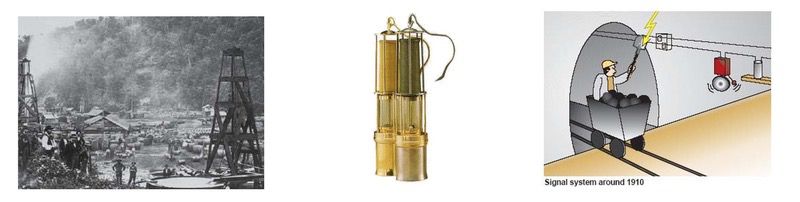
Later, low voltage signaling bells were introduced to control the operation of the hoists. Since these operating at 12VDC,
these were believed to be safe. However, in 1912 and 1913, two disastrous mine explosions were traced to mine signaling bells.
With careful design into the bells, it was determined that these products could be made safe with the use of‘intrinsic safety’,
hence the beginning of electrical equipment for potentially hazardous locations.
The first German standards, “Protection of Electrical Installations in Hazardous Areas”, were published in 1935 as guidelines for the installation of electrical equipment in hazardous areas. The product design standards included the basic types of explosion protection such as flameproof enclosures, oil immersion and increased safety. The components were designed to be explosion protected and housed in industrial type enclosures that were weatherproof. Apparatus designed according to this standard were marked with the symbol (Ex).
In the 1960s, the European community was founded to establish a free trade zone in Europe. To reach this goal, technical standards needed to be harmonized. As a result the European Organization for Electrotechnical Standardization (CENELEC) was established. This new set of European standards (EN 50014 ‐ EN 50020), published in 1972, was based on the Zone classification system as IEC 60079‐10.

History of the IEC On 15 September 1904, delegates to the International Electrical Congress, being held in St. Louis, USA, adopted a report that included the following words:
“…steps should be taken to secure the co‐operation of the technical societies of the world, by the appointment of a representative Commission to consider the question of the standardization of the nomenclature and ratings of electrical apparatus and machinery.”
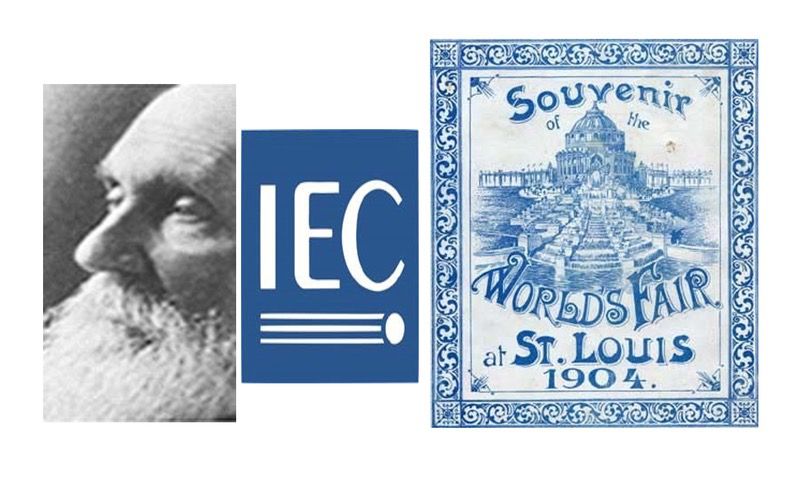
As a result, the IEC was officially founded in June 1906, in London, England, where its Central Office was set up. In 2001 the Commission published the most recent edition of the IEC Multilingual Dictionary. It is a compilation of the IEV, which now contains 18,500 electrotechnical concepts divided into 73 subject areas, containing full definitions in French and English and equivalent terms in 12 languages, including an index in German.
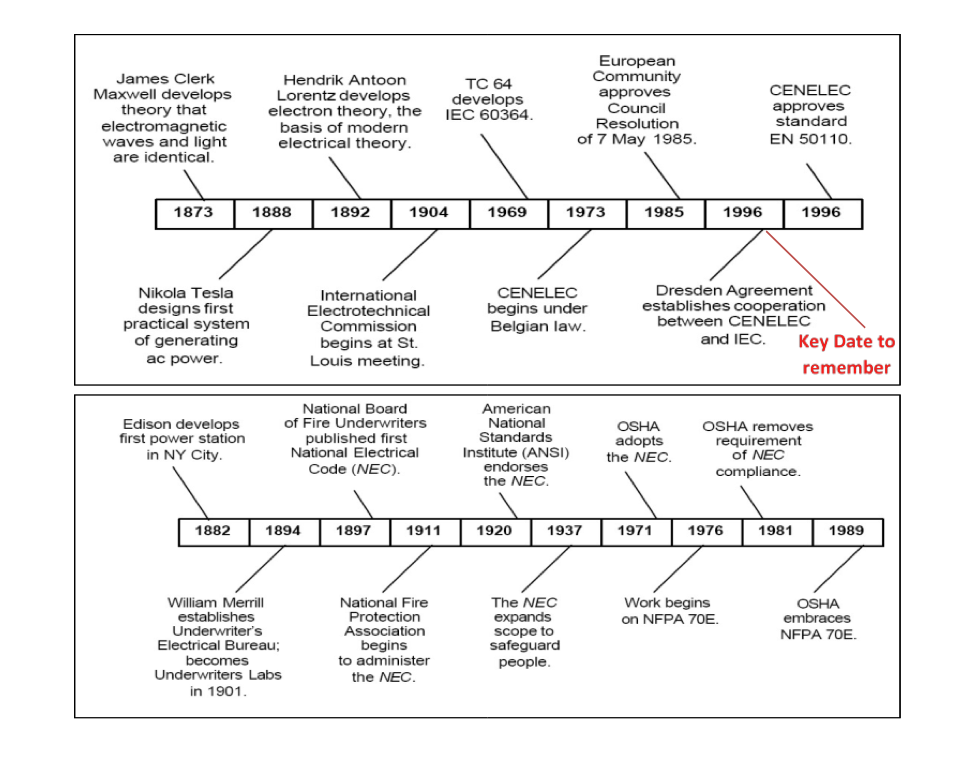
History of Cenelec
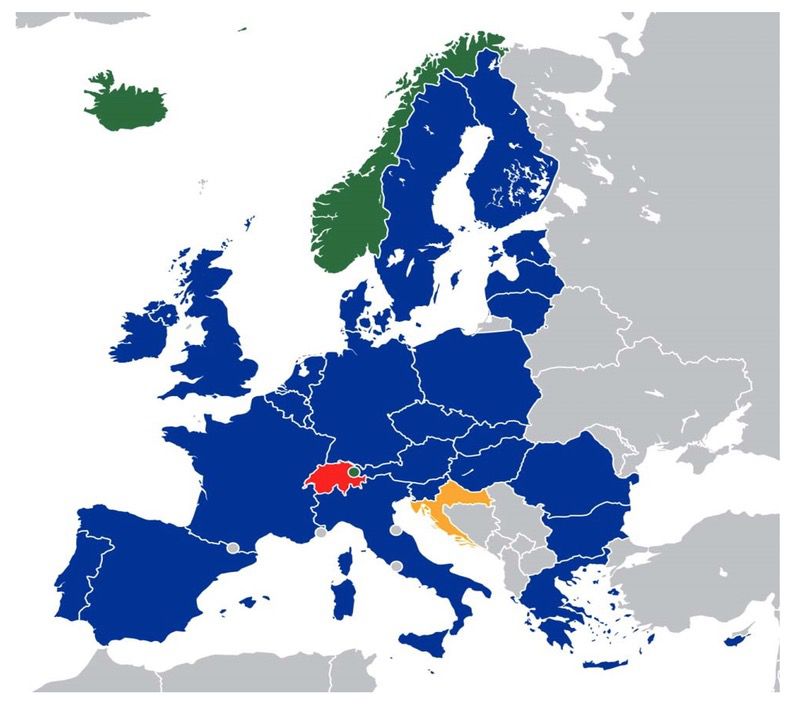
CENELEC was established as a de‐facto association without formal legal status. The daily affairs were entrusted to the Belgian Electrotechnical Committee. On 25‐26 November 1976 new Articles of Association were signed with the intention to establish an AISBL, French acronym for Non Profit International Organization. The formal legal status was granted in the fall of 1978 In 1977 Spain joined CENELEC, in 1978 Luxembourg participated formally for the first time. Greece in 1980 and Iceland in 1988 also joined CENELEC.
The Czech Republic became member of CENELEC in November 1997, followed by Malta in October 2001, Hungary and Slovakia in June 2002 and Lithuania in June 2003. Estonia, Latvia, Poland and Slovenia joined in January 2004. Cyprus in mid 2004. Bulgaria was the last country to join CENELEC, so far, in June 2007 bringing the number of members to 30.